

No overview
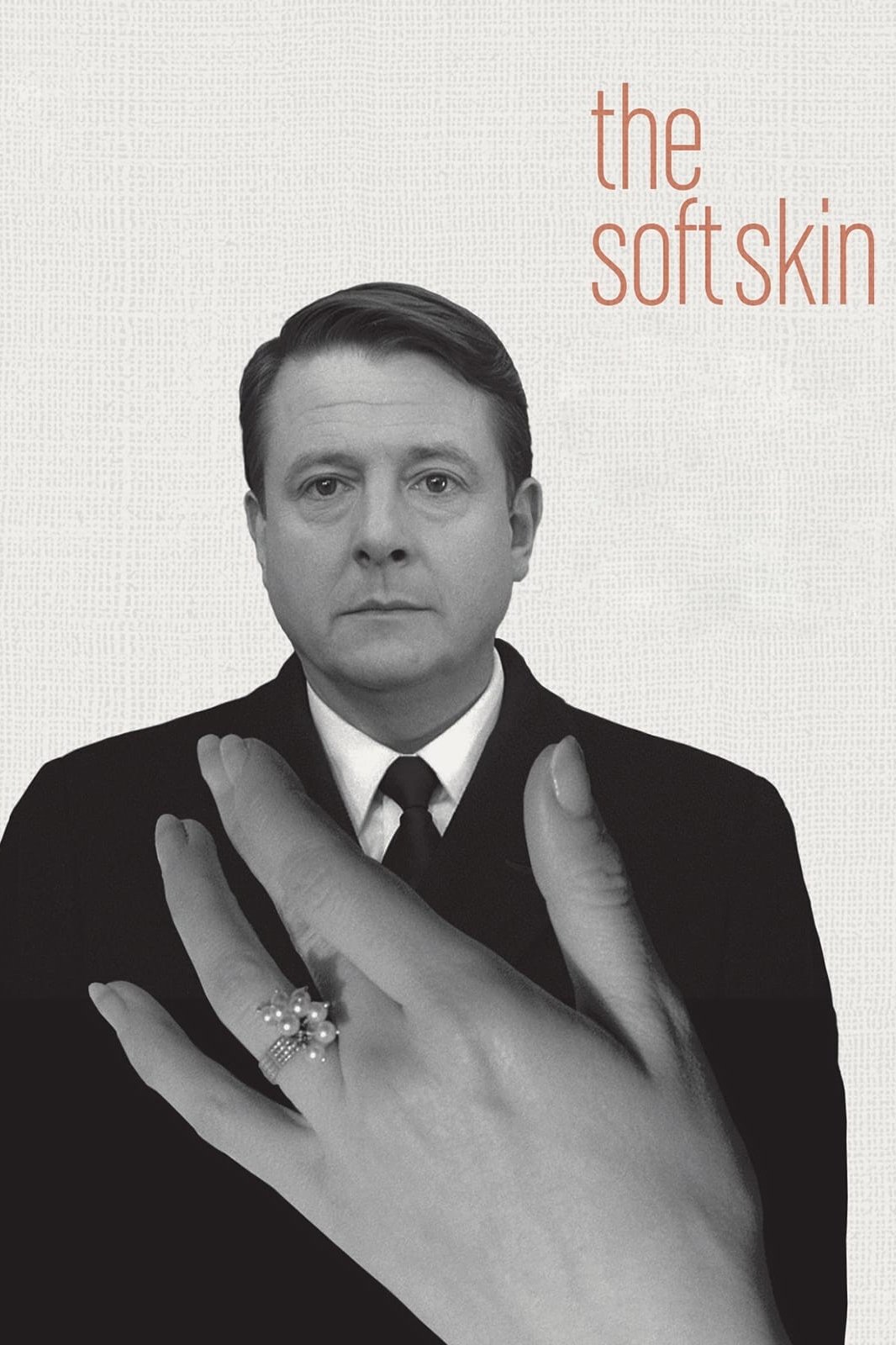
The Soft Skin
La Peau douce
- Status: Released
- 20-04-1964
- Runtime: 119 min
- Score: 7.1
- Vote count: 212
Pierre Lachenay is a well-known publisher and lecturer, married to Franca and father of Sabine. He starts a love affair with air hostess Nicole, which Pierre is hiding, but he cannot stay away from her.
Cast
Trailer
Review
Paris's then-brand-new Orly airport and the still novel phenomenon of air travel form the backdrop for Francois Truffaut's 1964 feature LA PEAU DOUCE ("The Soft Skin"). Pierre (Jean Desailly) is a French publisher who has established an enviable successful bourgeois life and home, married to Italian wife Franca (Nelly Benedetti) and with a little girl. But on a trip to Portugal for a conference, Pierre gives into a fling with his stewardess Nicole (Françoise Dorléac). They struggle to keep their affair secret, and Pierre is torn between a desire to fully give himself to his mistress, or hang on to his family life. LA PEAU DOUCE is essentially a study in how adultery is no fun at all. The initial thrills that Pierre gets from bedding the vivacious young Nicole are soon effaced by the sheer difficulty and annoyance of keeping all their arrangements secret, and the awkwardness of their relationship when they can never be public about it. Through long shots on faces by cinematographer Raoul Coutard, the film depicts the awkwardness of two people nervous they are going to be caught out at any moment. Truffaut made his name as a key figure in the French New Wave and his first several films maintain a zany, deliberately provocative style. LA PEAU DOUCE marks a turn in his career towards more conventional filmmaking; you'll find here little of the brashness of prior work like "Shoot the Piano Player" or "Jules et Jim". One might detect here an affinity with the carefully composed work of Hitchcock; certainly the close of LA PEAU DOUCE takes us towards conventional thriller territory. Ultimately this is not one of Truffaut's best films; it is entertaining enough on a single viewing, but there is a real lack of rewatch value here. Yet for fans of the Sixties, the film has considerable appeal as a snapshot of what French society thought about air travel and their new Orly airport. (Truffaut's chum Jean-Luc Godard in his "Une femme mariee" of the same year, was also fascinated by Orly and what it represented.)
Successful and ostensibly happily married “Pierre” (Jean Desailly) is flying to Lisbon to give a lecture on Balzac when the stewardess “Nicole” (Françoise Dorléac) catches his eye. It turns out that she is staying in the same hotel as him, and so after a trip up in the lift with her - that seems to take forever - he decides to call her from his room and ask her to meet for a drink. After a bit of toing and froing, and despite the fact that he was supposed to be returning to Paris at noon the next day, they agree to meet and are soon having an affair. He’s a publisher who is often travelling away from home, so his wife “Franca” (Nelly Benedetti) isn’t unused to his absences, but of course it can only be a matter of time before he is rumbled. The sexually charged elements of this are seriously underplayed, and indeed Desailly’s “Pierre” is possibly the least sexual character in the film as he clearly shifts his emotional allegiances to his new love. The question is, does she reciprocate? Does she love him because he is forbidden fruit? Does she love him at all? As the denouement looms, what we watch here is quite a brutal dissection of the mentality of adulatory. It’s toxicity on “Franca”; the effects on her mental state are writ increasingly but subtly large. The selfishness of “Pierre” throughout renders him easy to dislike and though there is a curious degree of chemistry between him and “Nicole”, it was ultimately that between himself and his betrayed wife that makes this simmer. There’s not always a great deal of dialogue and some of the plot advances are presented to us without us necessarily knowing just how we got there, but there’s something analytical about a film that includes some light-heartedness amidst it’s critique on the lives and loves of a thoughtless individual. Oh, and if only Orly was so easy to use nowadays!